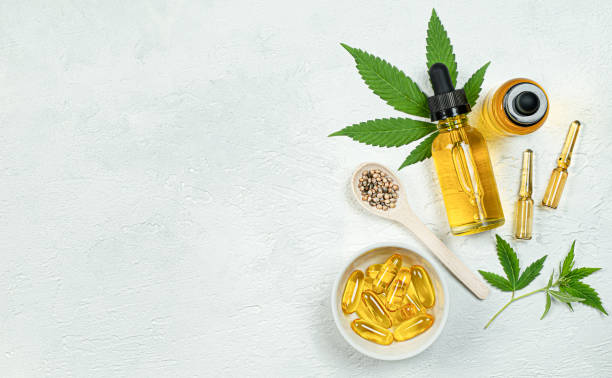
In recent years, CBD has gone from an obscure cannabis compound to a leading force in the global wellness industry. Short for cannabidiol, CBD is one of over 100 naturally occurring cannabinoids found in the cannabis plant. Unlike its more famous cousin THC (tetrahydrocannabinol), CBD is non-intoxicating, meaning it doesn't produce the "high" typically associated with cannabis use. Instead, it offers a variety of potential therapeutic benefits that are being embraced by consumers, researchers, and health professionals alike.
From oils and gummies to skincare and beverages, CBD is now infused into an ever-growing array of products. But beyond the trend, there’s a deepening scientific interest in how CBD works with the human body—and how it may support physical, emotional, and mental well-being.
What Is CBD and How Does It Work?
CBD interacts with the body’s endocannabinoid system (ECS), a complex cell-signaling network that plays a key role in regulating functions like sleep, mood, immune response, pain perception, and homeostasis. The ECS consists of receptors (CB1 and CB2), endocannabinoids produced by the body, and enzymes that break them down.
CBD does not bind directly to these receptors like THC does. Instead, it influences them indirectly while interacting with other receptor systems—such as serotonin and vanilloid receptors—leading researchers to believe that CBD has a multifaceted impact on health.
This unique interaction may explain why CBD has shown promise in areas such as anxiety management, inflammation reduction, and seizure control.
Potential Benefits of CBD
Anxiety and Stress Relief
One of the most commonly cited uses for CBD Links to an external site. is in the management of anxiety and everyday stress. Many users report feeling calmer and more balanced after taking CBD. Some studies suggest that it may help reduce symptoms of generalized anxiety disorder, social anxiety, and even PTSD by interacting with receptors involved in mood regulation.
Pain and Inflammation
CBD is being explored as a natural alternative for managing chronic pain and inflammation. Whether it’s joint pain, migraines, or muscle soreness, CBD may help reduce discomfort without the side effects associated with traditional pharmaceuticals. This makes it particularly appealing to those with arthritis or sports injuries.
Sleep Support
Insomnia and poor sleep quality affect millions of people. CBD may help improve sleep by addressing the underlying causes—like anxiety, pain, or an overactive mind. Products designed for nighttime use often combine CBD with melatonin or calming botanicals to enhance effectiveness.
Epilepsy and Seizure Disorders
One of the most well-documented medical uses of CBD is in the treatment of seizure disorders. The FDA-approved drug Epidiolex, which contains purified CBD, is used to treat rare and severe forms of epilepsy such as Dravet syndrome and Lennox-Gastaut syndrome. Its approval marked a significant milestone in the medical acceptance of CBD.
Skin Health
CBD also has antioxidant and anti-inflammatory properties that make it useful in skincare. Topical CBD creams, balms, and serums are commonly used to manage acne, eczema, and psoriasis. By reducing inflammation and regulating oil production, CBD may contribute to clearer, healthier skin.
Forms of CBD Products
CBD is available in several forms, each offering different benefits based on how the compound is delivered and absorbed:
CBD oil/tinctures: Taken sublingually for fast absorption.
Capsules/softgels: Convenient and consistent dosage.
Edibles: Gummies and infused snacks provide a tasty alternative.
Topicals: Applied to the skin for localized relief.
Vape products: Offer rapid effects via inhalation.
Beverages: Infused drinks are gaining popularity for their convenience.
Consumers can also choose between full-spectrum, broad-spectrum, and CBD isolate products. Full-spectrum contains all cannabinoids (including trace THC), broad-spectrum contains all except THC, and isolate is pure CBD. The choice often depends on individual preferences and sensitivities.
Is CBD Legal?
The legal status of CBD depends on where you live and how it’s derived. In many countries and U.S. states, hemp-derived CBD containing less than 0.3% THC is legal for sale and consumption. However, CBD derived from marijuana may still be restricted due to higher THC levels.
Despite legalization in many areas, regulatory frameworks are still developing. Consumers should always check local laws and choose products that are third-party tested for quality and cannabinoid content.
Safety and Side Effects
CBD is generally considered safe and well-tolerated. However, like any supplement, it can cause side effects in some individuals. These may include drowsiness, dry mouth, changes in appetite, or gastrointestinal discomfort.
CBD may also interact with certain medications, particularly blood thinners or drugs that carry a grapefruit warning. For this reason, it’s important for individuals with health conditions or who are taking medications to consult a healthcare professional before starting CBD.
Choosing a Quality CBD Product
The CBD market is booming, but not all products are created equal. With limited regulation, it’s essential to choose CBD from reputable sources. Here’s what to look for:
Third-party lab testing: Ensures purity, potency, and safety.
Clear labeling: Ingredients and dosage should be transparent.
Organic or non-GMO hemp: Reduces risk of contaminants.
Reputable brand reviews: Look for customer feedback and company transparency.
By being an informed consumer, you can maximize the benefits of CBD and avoid ineffective or unsafe products.
The Future of CBD
CBD’s future looks bright, with ongoing research exploring its potential in areas such as neurodegenerative diseases, cardiovascular health, cancer symptom management, and addiction recovery. As regulations evolve and scientific understanding deepens, CBD may play an increasingly mainstream role in medicine and personal wellness.
Companies are also investing in more advanced delivery systems—like nano-CBD, which offers better bioavailability—and combining CBD with other functional ingredients for enhanced effects.
Conclusion: A Natural Option for Modern Wellness
CBD represents a promising intersection between traditional plant-based medicine and modern science. Whether used to reduce stress, manage pain, improve sleep, or support general wellness, CBD has earned its place as a trusted natural remedy.
While more research is needed to fully understand all its effects, current evidence and user experiences strongly suggest that CBD is more than a trend—it’s a valuable tool for health-conscious individuals looking for safer, natural alternatives.
As with any supplement, the key is to use CBD responsibly, choose quality products, and stay informed. When approached mindfully, CBD can be a powerful ally in achieving balance, relief, and a higher quality of life.


 icons at the top right corner of the subsection.